Retro 80s Cassette Tape Embroidery Design Review
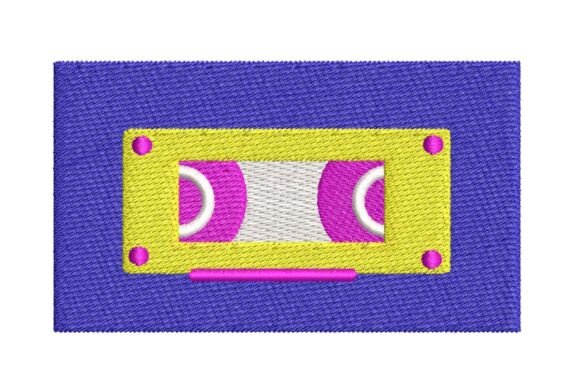
As a designer who has spent years stitching everything from delicate baby garments to heavy-duty workwear, I approach every new machine embroidery design with a critical eye. It is not enough for a file to look good on a screen; it must translate seamlessly into thread and fabric. Recently, I evaluated the Retro 80s Cassette Tape Embroidery Design, a piece that promises to bring the nostalgia of the mixtape era back to life. The description highlights a classic cassette tape featuring a bright blue tape body and a vibrant yellow label area. Before integrating this into my portfolio or recommending it to fellow craft business owners, I needed to understand how this specific aesthetic holds up under the pressure of real-world production.
The First Stitch: Visual Impact and Mood
When you first load the embroidery file onto your machine software, the visual personality of the Retro 80s Cassette Tape Embroidery Design immediately stands out. It captures a distinct mood of playful nostalgia. The combination of the electric blue and sunny yellow creates a high-contrast palette that is inherently eye-catching. For those of us creating custom apparel or boutique items, color theory is just as important as stitch quality. This design leans heavily into the pop-art feel of the 1980s, making it an instant conversation starter.
However, the true test lies in the execution. The shape of the cassette is geometric and bold, which is generally forgiving for embroidery. Unlike floral designs that rely on organic curves, this design relies on straight lines and sharp corners. This suggests that the fill stitch and satin stitch placement will be crucial. If the density is too low, the blue body might show gaps in the fabric weave. If it is too high, the corners could pucker. As a reviewer, I appreciate that the layout feels balanced, but the final result depends entirely on how well the digitizer managed the transition between the solid blue body and the detailed yellow label.
Real-World Application: From Tote Bags to Sweatshirts
Let’s imagine a practical scenario. You are an Etsy seller preparing for the holiday season, and you want to create a line of personalized gifts for music lovers. You decide to use the Retro 80s Cassette Tape Embroidery Design on a collection of canvas tote bags and heavyweight cotton sweatshirts. On a tote bag, the flat surface allows the design to sit perfectly. The bright colors pop against natural beige canvas, and the sturdy fabric supports the weight of the thread without distorting the shape. Customers love these kinds of functional yet stylish items, and the retro theme fits perfectly with current trends in handmade product markets.
Now, consider applying this same design to a sweatshirt embroidery project. Here, the texture of the fleece becomes a factor. The looped fibers can sometimes make small details disappear. The Retro 80s Cassette Tape Embroidery Design features a label area that likely contains text or graphical elements representing the mixtape insert. If these details are too fine, they may get lost in the nap of the sweatshirt fabric. In this case, using a cutaway stabilizer is non-negotiable. It lifts the fabric slightly, allowing the needle to penetrate cleanly and ensuring the stitch density remains consistent. The result is a premium-looking garment that feels professional rather than amateurish.
This design also translates exceptionally well into an embroidered patch. Patches are a staple for many small shop products, offering versatility for hats, denim jackets, and backpacks. The bold outlines of the cassette tape would define the patch edges clearly, preventing fraying over time. Whether you are selling them individually or using them to brand your own craft business merchandise, the recognizability of the icon ensures high buyer engagement.
Navigating Challenges: Fabric and Hoop Considerations
While the Retro 80s Cassette Tape Embroidery Design is versatile, it is not without its challenges. As a professional, I always advise testing on scrap fabric before committing to a finished product. One major consideration is the hoop size. Depending on the specific dimensions of the file, this design might require a medium-sized hoop. If you are working with curved surfaces like baseball caps, ensure your cap frame accommodates the full width of the tape. Trying to force a wide design into a narrow cap hoop will distort the proportions, turning a sleek cassette into a stretched rectangle.
Fabric choice is another critical variable. While the design works beautifully on structured fabrics like denim or canvas, it requires caution on thin or stretchy materials. A lightweight t-shirt might pucker around the dense fill areas of the blue tape body. Similarly, dark fabrics can change the perception of the thread colors. The vibrant yellow label might appear duller against black unless you use a backing layer or adjust the thread colors to something even brighter. Always compare light and dark fabric backgrounds in your printable mockup stage to anticipate how the final finished product will look.
Furthermore, pay close attention to the corners. Geometric shapes with right angles are prone to "star points" where the thread bunches up if the satin stitch columns are not properly angled. Inspect the small details closely during your test run. If the design includes tiny lettering on the label, verify that it remains legible after stitching. Sometimes, what looks crisp on a monitor gets blurred by the thickness of the thread. If the text is illegible, you might need to simplify the design or choose a larger scale for your project.
Commercial Viability and Designer Notes
For digital product sellers and creative entrepreneurs, the Retro 80s Cassette Tape Embroidery Design offers significant value. It taps into the enduring popularity of retro aesthetics within the Music category. However, before listing this as a digital embroidery file or selling items made with it, you must confirm the licensing terms. Not all designs allow for commercial use on physical goods, and some restrict the sale of the file itself. Ensure you have the rights to use this asset for your commercial embroidery projects to avoid legal issues down the road.
To maximize the appeal of this design, consider how it enhances your brand consistency. If your shop focuses on vintage-inspired decor, this piece fits naturally. It adds a layer of professionalism to your listings because it shows you understand how to execute complex color blocking. When customers see a high-quality embroidered item with clear definition and no puckering, their trust in your craftsmanship increases. This leads to better reviews and repeat business.
In conclusion, the Retro 80s Cassette Tape Embroidery Design is a strong contender for any designer looking to add a nostalgic flair to their portfolio. Its bold colors and iconic shape make it suitable for a wide range of applications, from baby embroidery on onesies to holiday embroidery gifts. By respecting the technical requirements—checking stabilizers, managing stitch density, and selecting appropriate fabrics—you can transform this digital file into a tangible, high-quality product. Whether you are a hobbyist or running a full-scale small shop product line, this design offers a fun and practical way to connect with customers through the universal language of music and memory.